
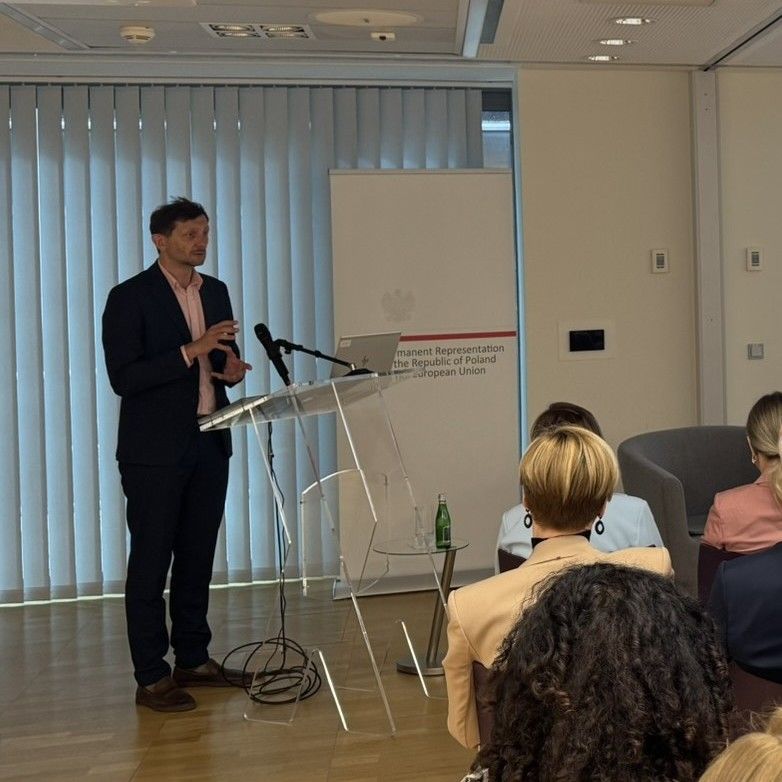
On 2 June 2026, representatives of European institutions, research organisations, research infrastructures and scientific communities gathered in Brussels to discuss one of the increasingly strategic issues for European research and innovation: how to build a research data ecosystem that is secure, resilient, interoperable and sovereign. The policy discussion Research Data in Europe: Security, Sovereignty and Resilience was hosted at the Permanent Representation of the Republic of Poland to the European Union and jointly organised by the Permanent Representation, the National Science Centre Poland (NCN) and the PolSCA Office of the Polish Academy of Sciences in Brussels.
The meeting took place at a particularly important moment for Europe. As highlighted during the opening remarks, research data has become a strategic resource not only for scientific excellence but also for Europe's competitiveness, technological sovereignty and capacity to respond to major societal challenges. In the context of ongoing discussions on the future Framework Programme (FP10), the role of research data, digital infrastructures, open science and AI readiness is gaining increasing prominence. The event brought together approximately 50 participants representing various elements of the R&I ecosystem in Europe.
Research data at the heart of Europe's strategic ambitions
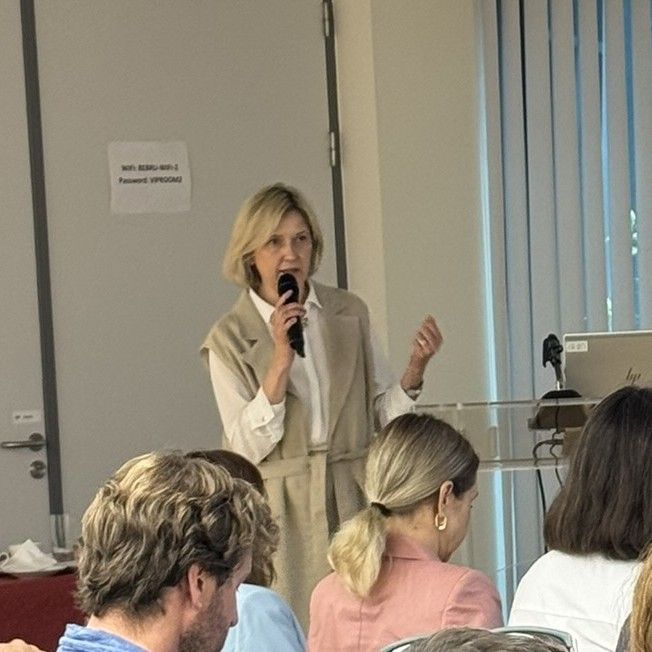
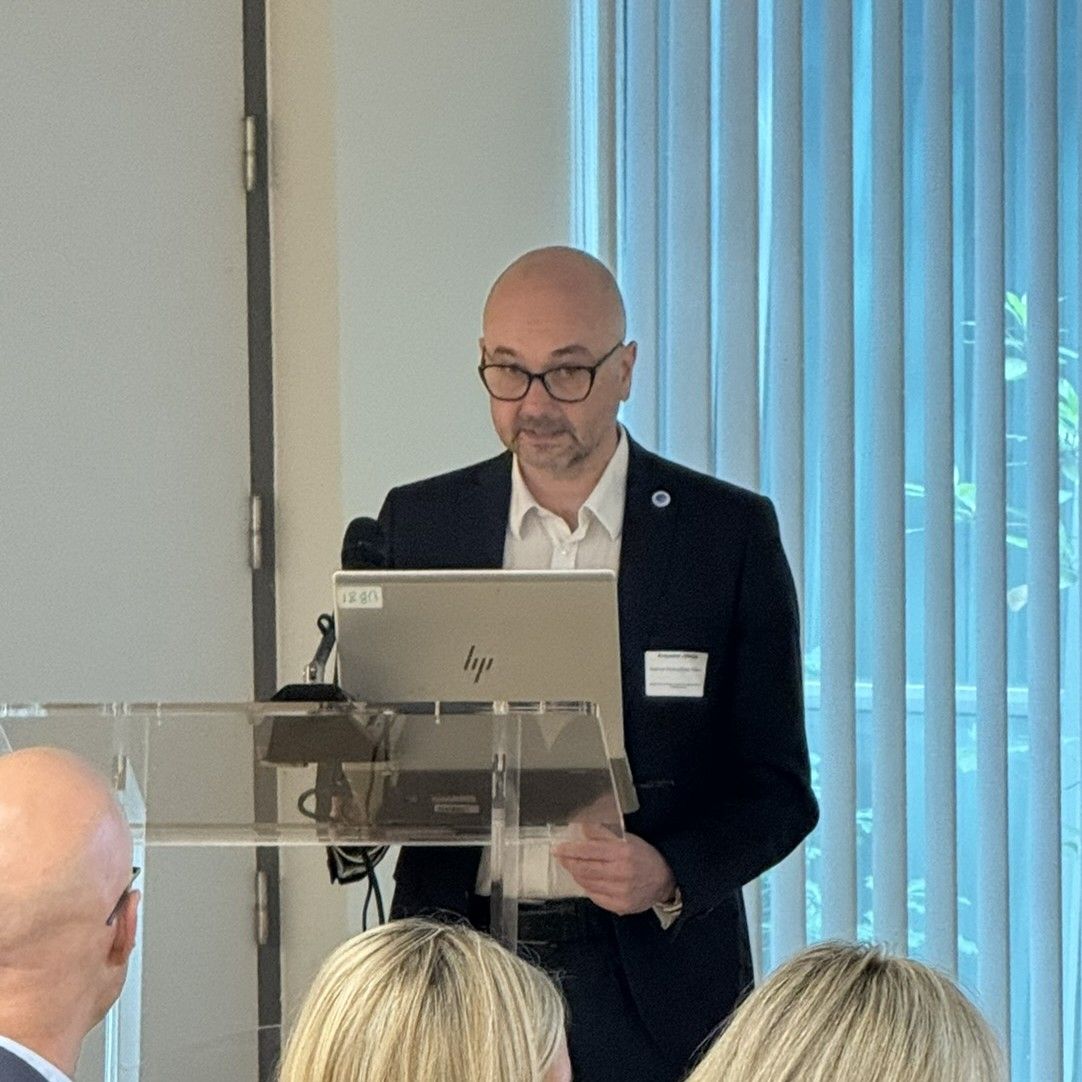
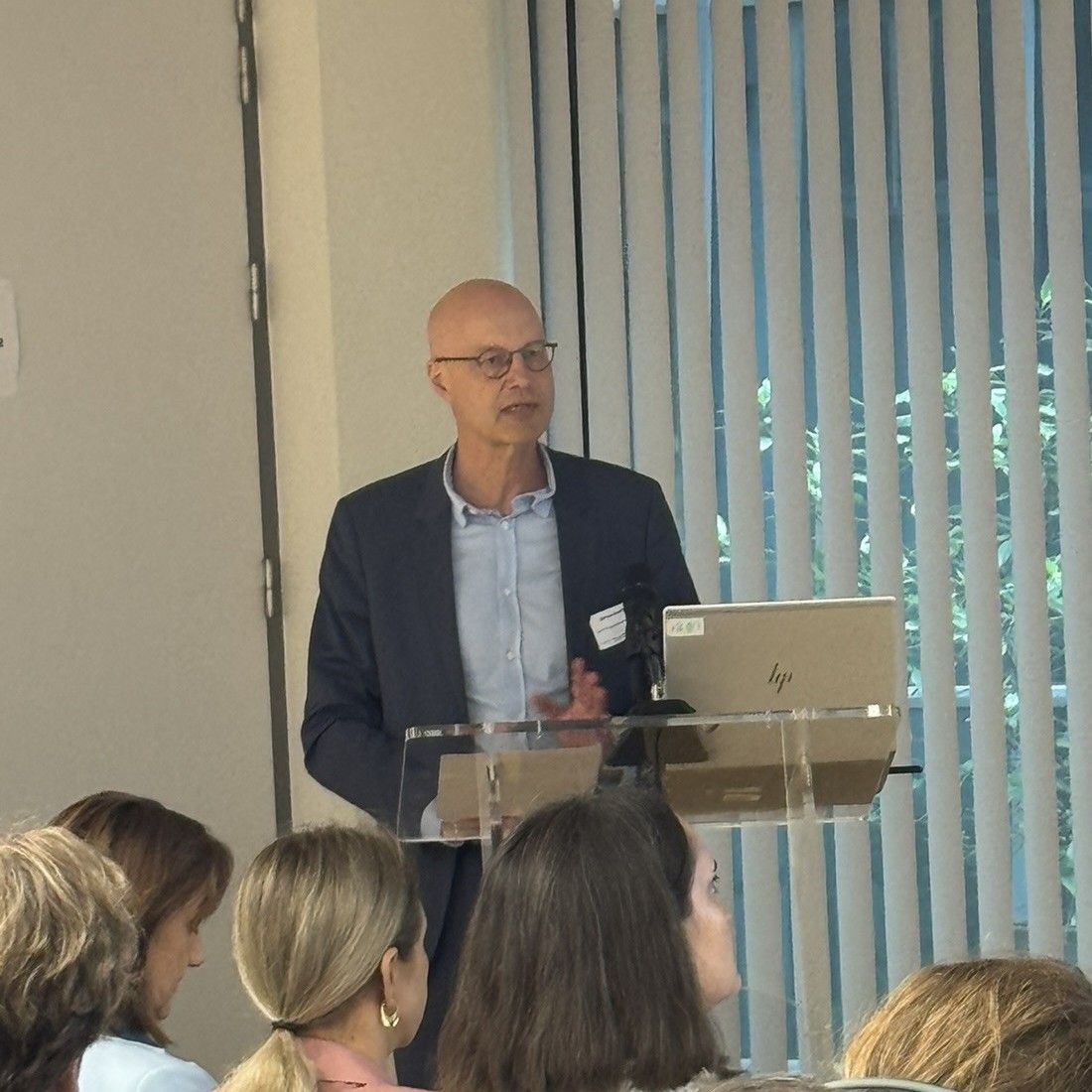
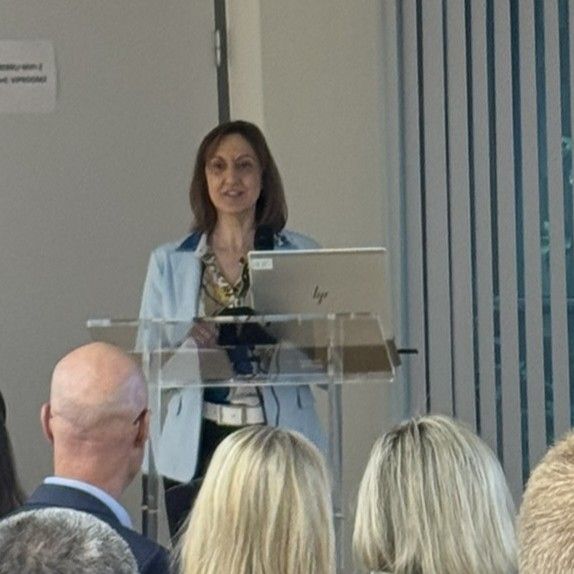
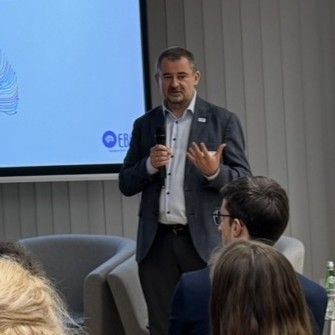
The meeting was opened by Magdalena Kula (Research Attaché, Permanent Representation of the Republic of Poland to the EU), Krzysztof Jóźwiak (Director of the National Science Centre) and Tomasz Poprawka (Director, PolSCA Office of the Polish Academy of Sciences).
The first session provided a policy perspective on research data security and sovereignty in Europe. Michael Arentoft (European Commission, DG RTD), Lidia Borrell-Damian (Science Europe) and Daniel Wójcik (European Brain Council and Nencki Institute of Experimental Biology PAS) reflected on the growing importance of research data for scientific collaboration, innovation and evidence-based policymaking. The discussion emphasised that Europe’s research data landscape remains fragmented and that stronger coordination, trusted infrastructures and long-term investments are needed to unlock the full value of data across borders and disciplines.
A recurring theme throughout the event was the need to understand data security in a broad sense. Participants agreed that security is not limited to technical protection or cybersecurity measures. It also encompasses legal and ethical safeguards, responsible governance, long-term preservation of critical datasets, and the ability to ensure trust throughout the entire data lifecycle: from collection and stewardship to sharing and reuse.
 |  |  |  |  |  |
Building a trusted and resilient research data ecosystem
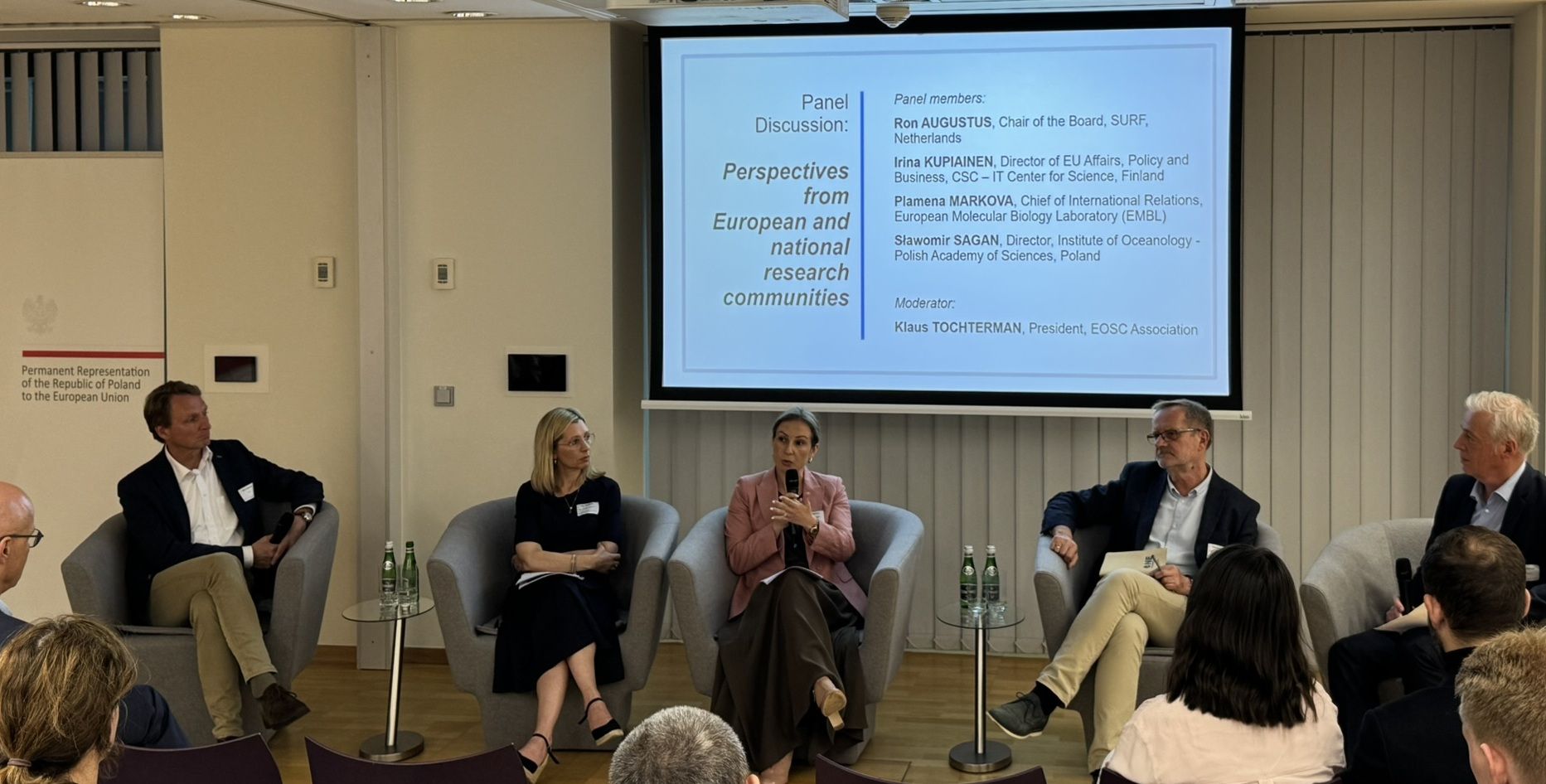
The panel discussion, moderated by Klaus Tochtermann, President of the EOSC Association, brought together perspectives from European and national research communities. Representatives of SURF in the Netherlands (Ron Augustus), CSC – IT Center for Science in Finland (Irina Kupiainen), EMBL (Plamena Markova) and the Institute of Oceanology PAS (Sławomir Sagan) discussed how Europe can strengthen resilience while maintaining openness and international collaboration. Panellists highlighted the importance of interoperability, sustainable digital infrastructures, data stewardship skills and trusted partnerships across the European Research Area.
Particular attention was devoted to the role of the European Open Science Cloud (EOSC). Speakers noted that EOSC demonstrates how openness and security can reinforce rather than contradict one another. By federating distributed research data resources and promoting common standards, EOSC contributes to building a European environment based on trust, responsibility, interoperability and high-quality data management. As several participants stressed, data sovereignty should not be understood as isolation, but as the capacity to cooperate on European terms while maintaining control over critical resources and infrastructures.
The discussion concluded with a shared recognition that research data is no longer a supporting element of research projects but an increasingly decisive factor in their success and long-term impact. Building a secure, trusted and resilient European research data ecosystem will therefore require continued cooperation among policymakers, funding organisations, research infrastructures and scientific communities across Europe.
Poland in the European research data landscape
Beyond the discussion itself, the event also provided an opportunity to highlight Poland’s growing engagement in the development of the EOSC and the broader European research data ecosystem. Through the activities of the National Science Centre Poland (NCN), Polish research institutions and scientific communities are increasingly connected to European efforts aimed at advancing open science, FAIR data principles, interoperable infrastructures and responsible data stewardship.
As one of the organisations actively involved in EOSC-related initiatives and policy discussions, NCN contributes to strengthening the integration of Polish researchers into the European Research Area, helping ensure that research data generated in Poland can be securely shared, discovered and reused within a trusted European framework. NCN coordinates the national EOSC-PL node, which has participated in the EOSC Federation since its establishment in 2025. The Polish node is developed jointly in partnership with Cyfronet AGH University of Kraków, Gdańsk University of Technology, Interdisciplinary Centre for Mathematical and Computational Modelling at the University of Warsaw, and the Institute of Oceanology of the Polish Academy of Sciences.