Joint Request from Six Institutions

Kod CSS i JS

“High-quality research is a matter of national interest. We need to simplify the procedures, integrate institutions into a coherent system, and bridge the gap between research and global innovations.” Six research institutions have made recommendations for the state authorities on research funding and commercialisation in Poland.

“High-quality research is a matter of national interest. We need to simplify the procedures, integrate institutions into a coherent system, and bridge the gap between research and global innovations to make sure that public funding will have a faster impact on health, safety and workplaces.”

The Polish system of research funding and commercialisation of research deliverables must be completely transformed, instead of relying on ad hoc modifications by individual agencies. This diagnosis was delivered to the top state authorities by the heads of six public research institutions. Their joint request was sent to the President of Poland, the Prime Minister and the Marshalls of the Polish Sejm and Senate. The document was drafted following a debate organised at the Jagiellonian University on 17 February during the conference “Science for Society and Economy: Public Funding of R&I in Poland.”  

New quality of evaluation

The authors jointly urge that research institutions be evaluated based on the actual quality of the research track record and its impact on the society and economy rather than on other aspects, such as the number of patents, publications or citations, which must not be the main basis for evaluation. Evaluators should be foreign experts independent of the Polish science system.

Ecosystems instead of silos

The main request is to discontinue fragmented approach to research funding. Technological innovations are created in a functional ecosystem, where high-quality basic research evolves into applications, commercialisation, and scaling. Basic research funding must not be regarded in isolation, as basic research is an indispensable element of the overall innovation process.  

Commercialisation and risk 

The authors point out the importance of closing the gap between research findings and the market, requiring such measures as the proof-of-concept, better coordination of basic research with mentoring, and funds for the development using the resources secured by universities, institutions and venture capital funds. Special attention was given to high-risk research projects. According to the signatories, such projects should not involve the obligation to reimburse funding if the intended technological parameters are not achieved but the project is carried out with due care. 

Stability and HR

A multi-annual funding system is indispensable for the development of high-quality research and talent attraction. No reform can be effective without limited administrative burden; excessive control and oversight stifle creativity, and extensive bureaucracy promotes compliance over measurable research outcomes.  

As regards HR, the document promotes talent circulation to ensure that the top researchers choose to pursue their careers in Poland, and supports increased female participation in the research system, particularly in managerial and strategic roles. 

Social communication 

The document concludes with a call for reliable social communication. The authors underline that research and innovation-related advantages must be real and measurable: promotion alone cannot replace the actual value of the end product.   

The joint request was signed by the heads of the following institutions: the Foundation for Polish Science, the Polish Agency for Enterprise Development, the National Science Centre, National Centre for Research and Development, the Polish National Agency for Academic Exchange and PFR Ventures.

The full text is available on the website of the Foundation for Polish Science.
#NCNGeneration – Michał Tomza: We create ‘perfect nothingness’ to understand the universe.

Kod CSS i JS

In the second episode of the #NCNGeneration series, we speak with Prof. Michał Tomza from the Faculty of Physics at the University of Warsaw. The scientist discusses ultralow temperatures, precision measurements, and the asymmetry between matter and antimatter, as well as an experiment designed to measure the asymmetry of the electron – a phenomenon that may explain why matter prevails over antimatter in the universe.

NCN Generation comprises researchers making a significant contribution to the advancement of science. The second episode features Michał Tomza – a scientist dedicated to describing matter at ultralow temperatures, exploring the foundations of the quantum world, and contributing to the debate on the future of Polish science. The interview is conducted by Anna Korzekwa-Józefowicz.

Understanding why we exist

Michał Tomza focuses on one of the central problems of contemporary physics – explaining the origin of the difference between the amount of matter and antimatter in the universe. ‘One of the questions that interests us greatly at the moment is how to use our measurements and experimental systems to understand the difference between the amount of matter and antimatter in the universe,’ the scientist explains. ‘Current laws of physics cannot account for this.’

Michał Tomza’s team proposes an approach based on ultracold molecules, which allow exceptionally precise measurements to be carried out. The aim is to determine whether the electron exhibits a subtle asymmetry – a hypothesis that has not yet been confirmed experimentally. Such an effect could indicate an asymmetry in the laws of physics that explains why matter predominates over antimatter. ‘We have demonstrated that, using appropriately prepared ultracold molecules, it is possible to measure the electron’s “shape” with great precision,’ says Michał Tomza. ‘If this asymmetry can be observed, it would be an important step towards understanding why we exist at all.’

The scientist’s team has developed the theoretical concept for the experiment. On the basis of this work, a collaborating researcher from Florence secured nearly €2 million in funding for its implementation. ‘If the asymmetry can be observed within the next few years, the colleague conducting the experiment will have a strong chance of winning the Nobel Prize,’ says Michał Tomza.

The accuracy of one second against the age of the Universe

The research is conducted under conditions of extreme vacuum and ultralow temperatures, which simultaneously ‘silence’ the surroundings and amplify quantum effects. ‘Inside, there are fewer atoms than in interstellar space. We are simply trying to obtain nothing – perfect nothingness,’ the physicist describes. These conditions make it possible to achieve extreme measurement precision – of the order of one second relative to the age of the universe.

Michał Tomza is a theoretical physicist – his primary tools are mathematical models and calculations performed on supercomputers. On the basis of these, he describes possible phenomena and identifies what can be measured and how. He works closely with experimental teams in Poland and abroad, who verify these predictions in laboratories using sophisticated apparatus, including laser and optical systems. He brought an element of such apparatus to the studio – a vacuum chamber, that is, a component of the experimental system from which nearly all particles are removed in order to create conditions resembling interstellar space. In an environment prepared in this way, highly precise measurements and the study of quantum phenomena become possible.

Science is an investment that transforms the economy

When asked about the impact of basic research on economic development, Michał Tomza emphasises the need for broad funding of science. ‘We try to understand in order to learn to control. And once we learn to control, applications emerge,’ he explains. The history of science provides examples: the laser, the transistor, electrical current – each of these discoveries grew out of basic research before becoming a technology. ‘Even if just one in a hundred scientists discovers something that becomes a breakthrough technology – that will already change the economy,’ he adds. Equally important, in his view, is the indirect contribution of science: educating students, building intellectual attitudes, and developing the humanities as a tool for understanding the relationship between society and technology.

The path to independence with NCN

NCN funding enabled the scientist to return to Poland after a period abroad and to begin independent research. ‘Thanks to this funding, I was able to build my own team,’ he says. The results obtained from the first NCN grants, supplemented by funding from the Foundation for Polish Science, became the strongest part of the application for a European Research Council grant – and it was these results that, in Tomza’s view, determined his success. What advice does he have for young researchers? He points to the importance of ambition and consistency. ‘I see a far weaker link between intellect and ability on the one hand and outcomes on the other than between hard work, motivation, and passion,’ he says. ‘Consistency is what yields the best results.’

The first episode of the series featured Dr hab. Aleksandra Rutkowska from the Medical University of Gdańsk. The next episode will feature Prof. Małgorzata Kot, an archaeologist from the University of Warsaw. The premiere is scheduled for 16 April.

Pre-announcement of the fourth edition of the DAINA call

Kod CSS i JS

DAINA is a call for research projects carried out by Polish–Lithuanian research teams, jointly announced by the Research Council of Lithuania (Lietuvos mokslo taryba, LMT) and the National Science Centre, Poland (NCN).

Applications may be submitted for funding of research in any scientific discipline specified in one of the 26 NCN panels.

Under the DAINA 4 call, NCN and LMT will fund only proposals that meet the criterion of basic research.

The merit-based evaluation of proposals will be carried out by LMT in accordance with the rules applicable at this agency.

  • Announcement of the call: 15 June 2026
  • Deadline for joint proposals submission to LMT: 15 September 2026
  • Deadline for national proposals submission in the OSF system: 22 September 2026, 14:00 CET
  • Call results: June 2027
  • Start date of funded research projects: August 2027

Eligibility requirements:

  • Proposals must involve basic research and include joint Polish–Lithuanian research plan. Research equipment or networking activities can only be funded within projects with a basic research focus. Projects consisting solely of the purchase or development of equipment or solely of activities within scientific networks do not meet the funding criteria and will be rejected.
  • State aid cannot be applied for under DAINA 4.
  • A person may be indicated as the Principal Investigator in only one proposal submitted in the given edition of the call.
  • Under DAINA 4, research projects may be planned for a period of 36 months.
  • Entities eligible to apply for NCN funding for the Polish part of the research project must be those specified in Article 27(1), points 1–2, 4–5 and 7–8 of the Act on the National Science Centre of 30 April 2010 (Journal of Laws of 2026, item 101).
  • The list of Lithuanian institutions included in the Register of Research and Study Institutions that may participate in the call is available at: http://www.aikos.smm.lt/en/Pages/Default.aspx, under Registers in the Education providers category.
  • At the time of submission, the Polish Principal Investigator must be at least PhD holder. The Lithuanian Principal Investigator must be a scientist (at least PhD holder).
  • The budget of the Polish part of the project must not exceed PLN 1,300,000.
  • The budget of the Lithuanian part of the project must not exceed EUR 200,000.

Information on requirements for Lithuanian teams is available on the LMT website.

This announcement is for information purposes only. Detailed conditions will be set out in the official call text.

CONTACT INFORMATION:

Polish side: NCN

Coordinators:

General enquiries: Jadwiga Spyrka, PhD

Lithuanian side: LMT

Miglė Palujanskaitė

Updated: 23.04.2026

NCN searching for research institutions ready to establish interdisciplinary Dioscuri Centres of Scientific Excellence

Kod CSS i JS

The National Science Centre invites for the fifth time Polish research institutions to declare commitment as potential Host Institutions to Dioscuri Centres of Scientific Excellence.

The deadline for submissions is 11 May 2026.

Announcement

Invitation announcement for Polish research institutions to submit proposals for establishing Dioscuri Centres of Scientific Excellence

Submissions meeting the formal requirements will be published alongside the Dioscuri 5th call announcement, thus helping researchers find the right research institution in Poland.

Researchers will be able to choose an institution from beyond the published list, provided that the institution meets all formal requirements and will commit to satisfy the basic conditions specified in the announcement.

For details of the Dioscuri programme and all formal requirements, see the Dioscuri web-page.

Webinars

Registering your institution as a potential host for an interdisciplinary Dioscuri Centre through this invitation will greatly increase your visibility and give foreign applicants the opportunity to get to know your institution. To support you in preparing your registration as a potential host institution and to give you a comprehensive overview of the Dioscuri Programme funding and application procedures, we will offer webinars during that period. We kindly invite you to take part in one of our three webinars (all webinars will contain the same presentation) scheduled for:

  • 31.03.2026, 14-16 (in Polish)
  • 08.04.2026, 10-12 (in English)
  • 22.04.2026, 10-12 (in Polish)
  • 08.05.2026 11-12.30 (in Polish)

To register for one of our webinars, please send an e-mail to malgorzata.jacobs-kozyra(at)ncn.gov.pl indicating your name, institution and preferred date. After successful registration via e-mail, you will receive a link to the event.

Contact

Małgorzata Jacobs-Kozyra

NCN and Akces NCBR join forces: from research to implementation

Kod CSS i JS

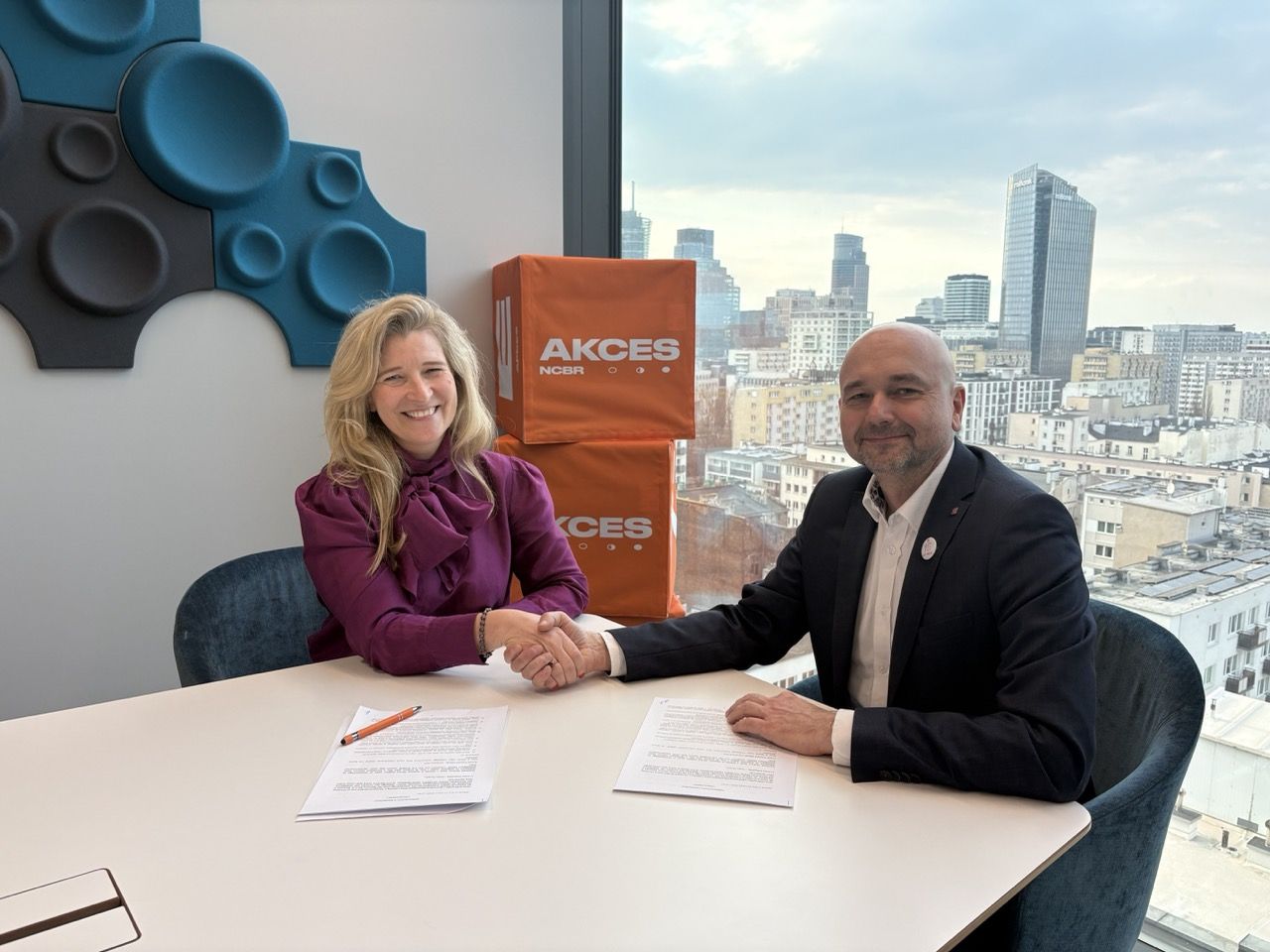
The NCN funds basic research; Akces NCBR supports technology start-ups. An agreement signed on 12 March is designed to help researchers bridge the gap between the two stages.

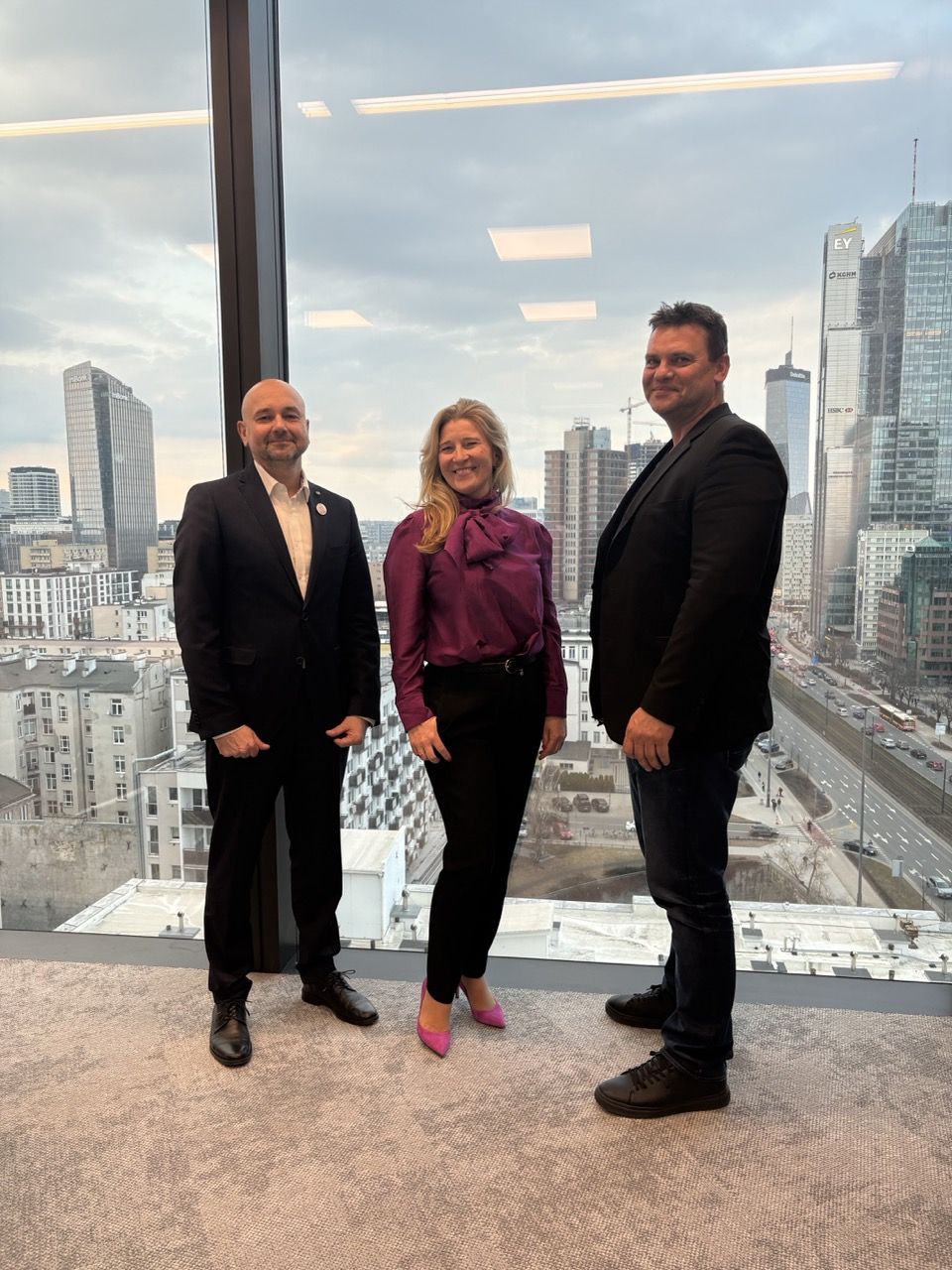
Prof. Krzysztof Jóźwiak, NCN Director, Arleta Malasińska, Akces NCBR President, Dr Marcin Liana, NCN Deputy Director Prof. Krzysztof Jóźwiak, NCN Director, Arleta Malasińska, Akces NCBR President, Dr Marcin Liana, NCN Deputy Director NCN funds projects at the basic research stage – before a specific technology or product has emerged. Akces NCBR supports teams that already have research results and want to test their market potential. The agreement is intended to fill the gap between these two stages by making it possible to identify projects with commercial promise earlier and to map out their further development.

“What matters is that there should be a bridge for researchers at this transitional moment, so that they know such instruments exist and are worth using,” says Professor Krzysztof Jóźwiak, NCN Director.

NCN Deputy Director Dr Marcin Liana takes a similar view: “A great deal of good research is being done in Poland; the challenge remains translating it effectively into innovation.”

“Thanks to our cooperation with the National Science Centre, we can identify the most promising research projects even earlier and create a development pathway for them towards technology and commercialisation,” says Arleta Malasińska, President of Akces NCBR.

First result: preferential points

One of the first outcomes of the agreement will be preferential points awarded to NCN-funded projects in the call for the Impakt Horizontal Science Programme. The call will open at the end of March 2026.

Impakt is an acceleration programme run by Akces NCBR for teams developing projects based on the results of research and development work. Participants receive funding in the form of a grant, as well as access to a network of mentors and experts from Poland and abroad. In practice, the extra points mean that NCN projects will stand a better chance of qualifying for the programme.

The cooperation will also include joint webinars and workshops for researchers working on NCN projects who are interested in commercialising their results. The two institutions are also planning a joint presence at conferences and industry events.

Signing of the agreement between the NCN and Akces NCBR Signing of the agreement between the NCN and Akces NCBR

Winners Announced in the Weave-UNISONO Funding Scheme

Kod CSS i JS

Researchers from Adam Mickiewicz University in Poznań, in cooperation with partners from Croatia and Slovenia, will investigate how the HPV virus affects protein trafficking in cells, whilst a research team from the University of Wrocław, in cooperation with German partners, will conduct comparative research on winged altarpieces from Upper Lusatia, Silesia, and Franconia.

Dr hab. Justyna Broniarczyk will lead the Polish part of the research in the project entitled "Alterations in Host Protein Trafficking during Human Papillomavirus Infection and Oncogenesis." The Polish team will receive nearly PLN 1.5 million for its implementation. On the Slovenian side, the research will be led by Martina Bergant Marušič from the University of Nova Gorica, whilst on the Croatian side the team will be headed by Vjekoslav Tomaić from the Ruđer Bošković Institute.

Human papillomavirus (HPV) is responsible for nearly 5% of malignant tumours, including cervical cancer and head and neck cancers. The viral proteins E6 and E7 play a key role in the process of cellular transformation. Recent studies show that HPV may disrupt protein trafficking within the cell – previous analyses have demonstrated that the E6 and L2 proteins interact with the sorting nexins SNX27 and SNX17, which affects protein localisation and cell function. The aim of the project is to understand the mechanism of these disruptions and their significance in tumour development. The researchers will employ biochemical methods, in vivo imaging, 3D organotypic raft cultures, and clinical sample analysis. The results may assist in identifying new diagnostic and prognostic biomarkers, and point to potential therapeutic targets in HPV-related diseases, particularly in head and neck cancers, for which an increase in incidence is projected. The roposal was reviewed by the Slovenian agency ARIS (Slovenian Research and Innovation Agency), whilst NCN and the Croatian agency HRZZ (Croatian Science Foundation) accepted the results of this review as part of the collaboration under the Weave funding scheme.

In the second of the awarded projects, entitled "Retabulum:  An Interdisciplinary Comparative Research on Winged Altarpieces from Upper Lusatia, Silesia, and Franconia – Examining Joining Techniques, Materiality, and (Inter)mediality of Wooden Altar Shrines with the Assistance of Dendrochronology," the Polish part of the research will be led by Dr Agnieszka Patała from the University of Wrocław, whilst on the German cooperation partners' side the team will be managed by Dr  Thomas Eißing from the University of Bamberg.

The project focuses on the study of late Gothic winged altarpieces (known as retabula), which are complex works of art combining painting and sculpture. Retabula, placed above or behind a Christian altar, enjoyed a period of particular flourishing in the fifteenth and early sixteenth centuries in Central and Western Europe, frequently taking the form of monumental triptychs or pentaptychs with closing wings. They also served an important religious, didactic, and decorative function within church interiors. The researchers will analyse 34 examples from Upper Lusatia, Silesia, and Franconia dating from approximately 1450 to 1530. Combining methods from art history, the natural sciences, and conservation studies, they will examine previously less well-understood technological aspects of these objects, such as the construction of wooden shrines and wings, the materials used, carpentry techniques, metal fittings, and the origin of the wood, which will be established through dendrochronological research. The analysis will enable more accurate dating of the retabula, the identification of material sources and craft standards, and an understanding of the transfer of technology between regions. The research will also help assess the role of carpenters in the creation of winged altarpieces and the functioning of these works in religious practice on the eve of the Reformation. The application was evaluated by the German agency DFG (German Research Foundation), whilst NCN accepted the results of this evaluation as part of the collaboration under the Weave programme. The Polish budget for the project amounts to nearly PLN 300,000.

Weave-UNISONO and Lead Agency Procedure 

Weave-UNISONO is a result of multilateral cooperation between the research-funding agencies associated in Science Europe and aims at simplifying the submission and selection procedures in all academic disciplines, involving researchers from two or three European countries.

The winning applicants are selected pursuant to the Lead Agency Procedure according to which one partner institution performs a complete merit-based evaluation of proposals, the results of which are subsequently approved by the other partners.

Under the Weave Programme, partner research teams apply for parallel funding to the Lead Agency and their respective institutions participating in the Programme. Joint research projects must include a coherent research program with the added value of the international cooperation clearly identified.

Weave-UNISONO is carried out on an ongoing basis. Research teams intending to cooperate with partners from Austria, Czechia, Slovenia, Switzerland, Germany, Luxembourg and Belgium-Flanders are urged to read the call text and apply for funding.

NCN March calls now open

Kod CSS i JS

We are launching two calls: OPUS 31, for research projects led by researchers at any career stage, and PRELUDIUM 25, for researchers who do not yet hold a PhD. Together, the two calls will fund projects worth a total of PLN 600 million. Proposals will be accepted until mid-June.

The OPUS call is open to researchers at all career stages, regardless of their academic degree or title. The only entry requirement is that applicants have at least one research paper to their name, either published or accepted for publication.

The call offers funding for domestic research projects, as well as projects carried out in cooperation with partners from foreign research institutions or involving the use of major international research facilities by Polish teams. Projects must fall within the scope of basic research, but the call does not prescribe any particular subject matter. Projects may run for one, two, three or four years. The budget is not capped and may include salaries for the principal investigator and co-investigators, including post-docs and scholarship holders; the purchase of research equipment, devices and software; materials and small equipment; outsourced services; business trips; visits and consultations; compensation for collective investigators; and other costs essential to the project. All costs must be justified by the scope of the research, and budgets are among the elements assessed by the experts.

The OPUS 31 call has a budget of PLN 550 million.

OPUS 31 announcement

The PRELUDIUM call targets a specific group: it is open exclusively to researchers who do not yet hold a PhD. It is a unique scheme, allowing researchers to gain experience as principal investigators and independently carry out a fully-fledged grant very early in their research careers, with the support of a mentor. Many members of the #NCNgeneration began their careers with PRELUDIUM and now lead research teams of their own and have significant scientific achievements to their names.

In its twenty-fifth edition, PRELUDIUM offers grants of up to PLN 70,000, PLN 140,000 or PLN 210,000 for basic research projects lasting 12, 24 or 36 months respectively. The budget may include additional salaries for the research team – the cap on these has been raised to PLN 2,000 per month – as well as the costs of purchasing or constructing research equipment, devices and software, up to a maximum of 30 per cent of the requested funding. The grant may also cover the costs of materials and small equipment, outsourced services, business trips, visits and consultations, compensation for collective investigators, and more.

The project topic may, but need not, be related to the subject of the applicant’s doctoral dissertation. Researchers may act as principal investigator of a PRELUDIUM project only once. This edition of the call has a budget of PLN 50 million.

PRELUDIUM 25 announcement

Retractions in proposals

As previously announced, with the March calls we have introduced a new section in the proposal forms covering publications retracted within the last 10 years (or longer in certain cases). The new section complements the track record evaluation system, giving experts a fuller picture of the publication activity of those applying for research funding. In OPUS, retractions must be disclosed by everyone submitting a track record form with the proposal (including the senior researcher); in PRELUDIUM, they must be disclosed by both the principal investigator and the mentor. The list of retractions must include a description of the reasons behind them. A retraction section will also be mandatory in reports on NCN-funded grants.

Proposal evaluation

Proposals will be peer-reviewed in a two-stage process involving experts from all fields, grouped into expert teams according to the list of NCN Review Panels. NCN experts are eminent researchers from Poland and abroad who hold at least a PhD. They are selected by the NCN Council, which matches the composition of each team to the number and subject matter of the proposals submitted.

In the first stage, each proposal receives at least two expert opinions, and the decision to advance it to the second stage or reject it is taken collectively by the team at its first panel meeting. In the second stage, each proposal receives at least two reviews from external reviewers. Funding recommendations are made by the team after discussing each proposal at the second panel meeting, with the individual reviews taken into account.

Deadlines

Proposals for OPUS 31 and PRELUDIUM 25 may be submitted via the OSF submission system until 2 pm on 16 June 2026. The results of the calls will be announced by mid-December at the latest.

Across all OPUS calls concluded to date, we have funded more than 11,800 projects worth a total of nearly PLN 11 billion. Under PRELUDIUM, we have already funded nearly 8,000 projects worth over PLN 1 billion in total. NCN project database

NCN Days return to Silesia

Kod CSS i JS

Are you a researcher looking for funding? Do you help administer research projects and need answers? Or are you still weighing up your options for a career in research? Join us in Katowice this May for the National Science Centre Days. Registration for the workshops is now open.

The National Science Centre Days are held once a year in one of Poland’s academic cities. On 6 and 7 May, the NCN office will symbolically change address. At the invitation of the University of Silesia, the leader of the Academic Consortium, we are returning to Katowice to meet researchers from Silesian research institutions, as well as the administrative staff who manage grants day to day. We are also delighted to welcome those involved in research data management, along with students considering a career in research. The programme includes panel discussions, hands-on workshops and talks.

Over the two days in May, we will be talking about what basic research is, how competitive research funding works, and what opportunities the National Science Centre offers researchers at every stage of their careers: from those just taking their first steps in research, through PhD holders with several years’ experience, to the most seasoned scientists pursuing pioneering work. In the workshops, we will share tips on what to look out for when designing your research and completing an NCN proposal, and on how to navigate the requirements set out in funding agreements when delivering and reporting on a project.

New research horizons and their impact: open discussions

On 6 May, we invite you to a series of open events held under the banner “New Research Horizons”. The panel discussions will explore, among other things, the tension between caution and breakthrough in research. Together with researchers from Silesian institutions and members of the NCN Council, we will consider how the design of the grant system affects how bold researchers dare to be when planning their work. We will also discuss the pressure to be productive in academia and its impact on research ethics, both under the current evaluation system and in light of the rules for reporting on grants. We will reflect on how the various formal requirements researchers face shape their everyday decisions about disseminating their results. To close the NCN Days on 7 May, we will talk about the invisible costs of success, discussing the wider challenges that researchers working in Poland grapple with daily, as well as the mechanisms of professional burnout.

Workshops at the NCN Days

The 2026 NCN Days will be packed with workshops for a variety of audiences.

Workshops for researchers – 7 May

If you are planning to apply for a research project grant, join our proposal evaluation workshop, run as a mock session of an expert team evaluating proposals – known as a mock panel. The workshops are led by Scientific Coordinators: NCN staff who work with the experts day in, day out, and who are responsible for organising the work of the panels and evaluating project proposals submitted to NCN. During the workshops, participants will step into the experts’ shoes. They will work with real proposals, whose authors have agreed to their use for training purposes. The proposals have been modified to include the most common mistakes made by applicants. By adopting the expert’s perspective, participants will learn what to pay attention to when working on their own projects.

Registration is open until 31 March.

Research data management workshops – 7 May

The workshops are intended for those who deal with research data management on a daily basis: researchers, administrative staff (e.g. in libraries, project support offices and research departments) and students. We will talk about what to look out for when completing a Data Management Plan, in terms of both NCN requirements and the good practices and standards adopted by research communities. The workshops will include group work.

Registration is open until 31 March.

Workshops on administering NCN projects – 6 and 7 May

This session is intended for administrative staff of research institutions and will run as full-day workshops on 6 and 7 May. The event will be led by NCN staff directly involved in administering research projects and liaising with the staff of research institutions. We will cover a range of issues arising over the life of a project, from the signing of the funding agreement through to completion. Among other things, we will explain how to amend an agreement, how to prepare interim and final reports, and how to settle and close a project. There will also be time for detailed questions from participants. Participation in these workshops is open exclusively to administrative staff of the universities and institutions co-organising the NCN Days. To register, please contact the department responsible for the administrative support of research projects at your home institution.

Motivational workshops for researchers – 7 May

A new addition to the NCN Days programme is a motivational workshop entitled “Giving the Researcher’s Mind a Break: an Antidote to Academic Overload”. It is open to active researchers who would like to learn practical strategies for protecting their wellbeing and preventing burnout. Registration for the workshop will be handled by the University of Silesia; details will follow shortly.

OUTLINE PROGRAMME OF THE NCN DAYS 2026

Organisers of the NCN Days 2026

The NCN Days are organised by the National Science Centre together with the University of Silesia, leader of a consortium of seven Silesian public universities: the Academic Consortium – Katowice City of Science. The consortium comprises: the Karol Szymanowski Academy of Music in Katowice, the Academy of Fine Arts in Katowice, the Jerzy Kukuczka Academy of Physical Education in Katowice, the University of Economics in Katowice, the Silesian University of Technology, the Medical University of Silesia and the University of Silesia in Katowice. All NCN Days events will take place on the University of Silesia campus, on Bankowa and Uniwersytecka Streets in Katowice.

We now know the winners of the M-ERA.NET 3 Call 2025

Kod CSS i JS

Four research teams involving scientists from Poland have been awarded NCN funding to carry out projects in the field of materials science and materials engineering. The call was organised by the international M-ERA.NET network.

In this edition of the call, a total of 28 projects involving 135 teams will receive funding.  Four grants totalling over PLN 4.2 million will be financed by the National Science Centre. The planned start of research is between April and September 2026.

In the first of the projects, SmartSens:  Advanced Materials for Sustainable Nucleic Acid Biosensing, the Polish team leader is dr inż.  Magdalena Ewa Olak-Kucharczyk from the Łukasiewicz Research Network – Lodz Institute of Technology. The project focuses on the development of innovative screen-printed biosensors that will enable the detection of genetic mutations associated with breast cancer in circulating tumour DNA present in the blood, which may support diagnostics within the framework of so-called liquid biopsy. The research will cover new, more environmentally friendly materials, including biopolymer-based microfluidics, stimuli-responsive cellulose materials for DNA purification, copper nanowire screen-printing pastes, and thin-film materials for label-free DNA detection. The aim of the project is to advance these technologies from an early readiness level (TRL 2) to a demonstration level (TRL 4), while simultaneously assessing their environmental impact across the full product life cycle, in accordance with the principles of sustainable development and the circular economy. Over PLN 600,000 has been awarded for the Polish part of the research.

In the ReOil:  Repurposing, Reuse and Recycling of Used Lubricant and Waste Oils project, the Polish team will be led by prof. dr hab.  Wojciech Maciej Kujawski from Nicolaus Copernicus University in Toruń. The aim of the research is to develop a new, more environmentally friendly method of recycling used lubricating oils, which are widely used in industry but often end up in the environment or are incinerated after use. Scientists from Norway, Poland, and the Czech Republic are working on the use of advanced polymer membranes acting as highly precise filters, which will allow contaminants and degradation products to be separated from the oil, making it possible to recover a pure oil base for the renewed production of lubricants. If the technology proves effective, used oil will no longer be treated as waste but will become a valuable raw material, reducing CO₂ emissions, limiting environmental pollution, and supporting the development of the circular economy. Nearly PLN 900,000 has been awarded for the Polish part of the research.

Machine Learning Platform for Personalized Intravitreal Anti-VEGF Therapy Using Drug-Loaded Polymeric Nanoparticles is the next of the awarded projects. Dr inż. Marcin Krzysztof Heljak from Warsaw University of Technology serves as the Polish team leader and coordinator of the international consortium. The aim of the research is to develop a modern method of treating retinal diseases such as age-related macular degeneration and diabetic retinopathy, which are among the leading causes of vision loss. The scientists are working on a controlled-release system for the drug bevacizumab from biodegradable polymeric microparticles, which, following injection into the eye, would gradually release the drug, reducing the need for frequent and uncomfortable injections. Through the modification of particles using plasma and the use of artificial intelligence to optimise the process, more precise and personalised treatment will be possible, and the developed laboratory model of the eye will allow new solutions to be tested without the need for extensive animal studies. Nearly PLN 1.5 million has been awarded for the Polish part of the research.

Dr inż. Anna Danuta Dettlaff from Gdańsk University of Technology is the Polish team leader and coordinator of the international consortium in the CARBONEX-S:  Sustainable Nanocellulose-Carbon Hybrid Electrodes for Advanced Flexible Supercapacitors project. The project aims to develop a new generation of environmentally friendly electrochemical capacitors – devices for the very rapid storage and delivery of energy that can stabilise electricity production from wind and solar sources. The scientists are working on replacing traditional materials that are difficult to recycle with environmentally friendly solutions such as boron-doped carbon nanostructures, cellulose nanofibrils, and activated carbon derived from agricultural waste. The project will also produce flexible, metal-free current collectors and safe aqueous electrolytes, making it possible to create efficient yet more sustainable energy storage systems useful in, among others, wearable electronics, electric vehicles, and renewable energy grids. Nearly PLN 1.3 million has been awarded for the Polish part of the research.

Grants in the M-ERA.NET Call 2025 were open to international consortia consisting of at least three research teams from different countries participating in the call: Austria, Belgium, Brazil, Bulgaria, Croatia, Czechia, Denmark, Estonia, Finland, France, Spain, Israel, Canada, South Korea, Lithuania, Luxembourg, Latvia, Malta, Germany, Norway, Poland, South Africa, Romania, Slovakia, Slovenia, Switzerland, Sweden, Taiwan, Turkey, Hungary, and Italy.

Pre-Announcement for 5th Dioscuri Call

Kod CSS i JS

Pre-announcement of the long-awaited fifth call for two interdisciplinary Dioscuri Centres of Scientific Excellence for outstanding researchers from around the world up to 15 years after their PhD.

The Dioscuri Programme aims to strengthen international standards of scientific excellence in Central and Eastern Europe and to support the on-going scientific transformation processes in the EU-13 countries. The person-centered programme was initiated by the Max Planck Society (MPS) and is jointly managed MPS and the National Science Centre Poland (NCN). Funding for the programme is provided by the German Federal Ministry of Research, Technology and Space (BMFTR), funding for the Centres of the 5th call is provided by the Polish Ministry of Science and Higher Education (MNiSW) through the National Science Centre Poland.

Eligible applicants

The 5th Call for two interdisciplinary Dioscuri Centres of Scientific Excellence in Poland is directed at internationally competitive and scientifically outstanding scientists from all scientific disciplines and all nationalities, who have proven their ability to conduct innovative research independently, who:

  • completed their PhD no longer than 15 years prior to the application deadline;
  • have proven international mobility over the course of their scientific career;
  • pursued their PhD and Post-doc(s) at different research institutions;
  • who have not been employed at the Host Institution during the last three years prior to the application deadline;
  • is able to propose excellent interdisciplinary proposal (10 pages excl. references and budget plan) with significant impact on two out of the three domains:
    • Humanities, Social Sciences and Art Sciences (HS)
    • Life Sciences (NZ)
    • Physical Sciences and Engineering (ST)
  • will closely cooperate with a scientific partner from Germany of its choice from a German research institution;
  • will establish an international Scientific Advisory Board (SAB) to his or her Dioscuri Centre.

Funding and structure of the Dioscuri Centres

Dioscuri Centres of Scientific Excellence in Poland established under the 5th call are funded with up to € 300,000 p.a. each for an initial five years and can be extended for another five years after successful external evaluation.

Dioscuri Centres will be embedded within the structures of the Polish Host Institution (HI), which will contribute to the Centre both financially and infrastructurally by

  • providing additional funding of EUR 25,000 per annum;
  • providing administrative support, and access to the necessary research equipment;
  • providing necessary office and/or lab space;
  • providing additional full-time employment for a program coordinator with administrative and research management responsibilities.

No overheads costs are foreseen for HI under the programme. An invitation for Polish research institutions to submit proposals for the establishment of Dioscuri Centres of Scientific Excellence will be launched in mid-March 2026, accompanied by a series of informational meetings.      

Important dates

  • The 5th Call for two interdisciplinary Dioscuri Centres of Scientific Excellence in Poland with its full documentation will be published mid-April 2026.
  • The application must be submitted until 15 September 2026.
  • The invitation for Polish research institutions to submit proposals for the establishment of Dioscuri Centres of Scientific Excellence will be launched in mid-March 2026.
  • A series of online information meetings will be organized from mid-April to mid-June 2026.

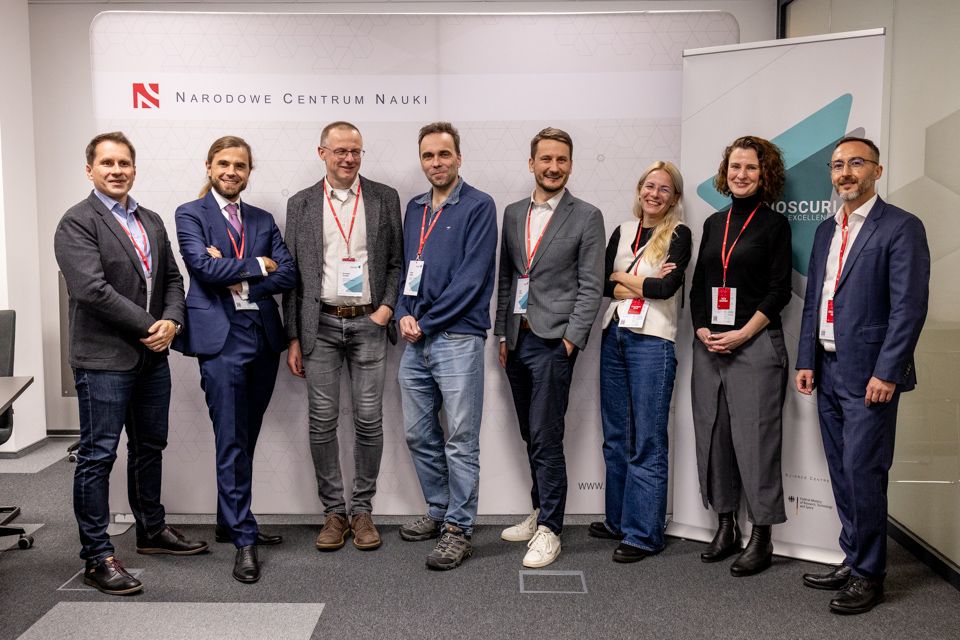
Dioscuri Leaders of the Polish and Czech Dioscuri Centres of Scientific Excellence

Dioscuri Leaders Dioscuri Leaders

  • Dioscuri Centre for RNA-Protein Interactions in Human Health and Diseases: Prof. Gracjan Michlewski
  • Dioscuri Centre for Modelling of Posttranslational Modifications: Dr. Mateusz Sikora
  • Dioscuri Centre for Metabolic Diseases: Dr. Grzegorz Sumara
  • Dioscuri Centre in Topological Data Analysis: Dr. hab. Paweł Dłotko
  • Dioscuri Centre for Stem Cell Biology and Metabolic Diseases: Dr. Peter Fabian
  • Dioscuri Centre for Chromatin Biology and Epigenomics: Dr. Aleksandra Pękowska
  • Dioscuri Centre for Single-Molecule Optics: Dr. Barbora Špačková
  • Dioscuri Centre for Structural Dynamics of Receptors: Dr. Przemysław Nogły

Not in the picture:

  • Dioscuri Centre in Random Walks in Geometry and Topology: Dr. Mikołaj Frączyk
  • Dioscuri Centre for Spin-Caloritronics and Magnonics: Dr. Helena Reichlová

Contact details

Dr. Małgorzata Jacobs-Kozyra, Dioscuri Programme Coordinator at NCN

Renate Bischof-Drewitz, Dioscuri Programme Coordinator at MPG